[:en]Outsport: sexual orientation and gender identity discrimination in sport[:it]Outsport: stop all’omofobia nello sport [:de]Outsport: sexuelle Orientierung und Geschlechtsidentität im Sport[:hu]Outsport. Játssz barátságosan, játssz büszkén. [:]
[:en] The Outsport project – “Innovative and educational approaches to prevent violence and tackle discrimination in sport based on sexual orientation and gender identity” – is co-financed by the European Commission through the Erasmus Plus program. The project seeks to address homophobia and transphobia in sport through communication, awareness raising, training and scientific research, and by using sport itself as a tool. Outsport is the first initiative at European level to gather scientific evidence about discrimination based on sexual orientation and gender identity in sport, and to set itself the ambitious aim of enhancing the sports world as a place of training and contrasting discrimination in continuity with the school and with the family. The project is promoted by the Italian Culture and Sport Association (AICS), a sports promotion organization with over fifty years of history that is recognized by the Italian Olympic Committee (CONI). AICS was the first grass roots sport organisation to launch an LGBT department, known as GAYCS, which now promotes the Italian Gaymes and the Italian Gay Friendly Football Association. Outsport involves five European countries (Italy, Scotland, Germany, Austria and Hungary) and comprises a range of first-class partners including institutional bodies, academic centres and organizations involved in social issues.
The range of participating organisations is very wide and includes the German Sport University in Cologne; LEAP Sports Scotland, a sports and social charity that has a strong history of international cooperation on social issues; the Vienna Institute for International Dialogue and Cooperation; and associations such as FRIGO (Organization for Fresh Ideas), a Hungarian organization that is confronted each day with Hungary’s difficult political and social situation. According to the Fundamental Rights Agency of the European Union (FRA), more than half of the LGBTI population of Europe avoids being open about their sexual orientation in certain places; in 42% of cases, those places are clubs and sports clubs.
This demonstrates that these places and environments, which are important for socializing and health, are not always considered ‘safe spaces’ where people can fully express their sexual orientation and gender identity. Homophobia and transphobia, in short, can be major deterrents to the participation and well-being of LGBTI people in environments where sports and sports-related activities are practiced. This should be considered a problem with strong social, cultural, individual and collective health impacts with short- and long-term consequences that are often underestimated. It should be remembered that homophobia and transphobia not only manifest in violence, but also in widespread language, attitudes and behaviours, closely related to the issue of gender equality and sexism, that can strike people of the LGBTI community as well as women and heterosexual people who do not conform to certain stereotypes.
For these reasons, Outsport aims to explore and understand better these phenomena in their various dimensions, and then to develop and offer targeted intervention and communication tools. One of the project’s main objectives is to carry out a Europe-wide communication campaign intended to help young people recognise the value of sport as a privileged place for inclusion and diversity, and to offer effective tools to all figures in the sport world who want to engage in the fight against LGBTI discrimination. The campaign envisions numerous actions, which we will discuss during our press conference.
The project will last for three years (from January 2017 until December 2019) and foresees the creation of a website regularly updated with project initiatives, an app and a social media presence (Facebook, Instagram and Twitter) that will help achieve the goal of reaching a target audience of over 3 million young people aged between sixteen and thirty across Europe. The project will develop into a series of national and international events. The opening event will be hosted in the Gay Village in Rome on July 7th, while the closing event will be held in Budapest. During the project, there will be a midterm conference in Vienna and a further initiative in Rome in July 2019 for the forthcoming Eurogames, the LGBTI-friendly amateur sports event awarded last year to GAYCS and AICS by the European Gay and Lesbian Sport Federation. All initiatives and communications will be presented under the auspices of the European Commission, combining the goals of reaching the public with dialogue & interaction with political institutions & sports.
[:it]E’ promosso da Aics, Associazione Italiana Cultura Sport. Il dato: oltre metà della popolazione Lgbti in Europa evita di esprimere apertamente il proprio orientamento sessuale in determinati luoghi per timore di discriminazioni; nel 42% dei casi, in circoli e club sportivi
Con Outsport: ricerca sul fenomeno, manuale di formazione anti-omofobia e campagne di sensibilizzazione
Una ricerca europea sul fenomeno dell’omofobia nello sport, un manuale di formazione contro i comportamenti discriminatori e sessisti nello sport e per l’organizzazione di eventi sportivi che siano attenti al tema, e campagne di sensibilizzazione anti-omofobia. Ecco in cosa consiste il progetto europeo Outsport – Innovative and educational approaches to prevent violence and tackle discrimination in sport based on sexual orientation and gender identity cofinanziato dalla Commissione Europea con il programma Erasmus plus, e promosso da AICS, Associazione Italiana Cultura Sport, primo ente di promozione sociale e sportiva ad aver attivato al suo interno un Dipartimento Lgbti (denominato Gaycs).
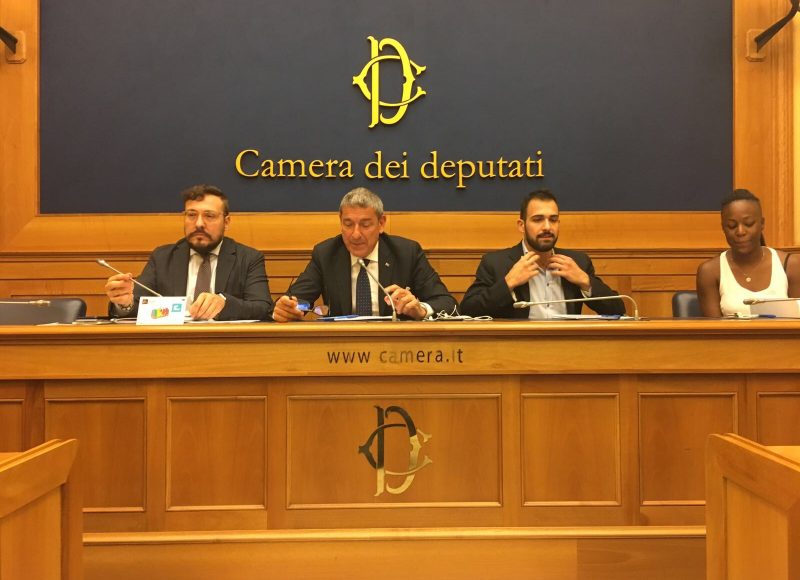
Outsport, progetto di contrasto all’omo-transfobia nello sport e attraverso lo sport, è stato presentato oggi pomeriggio alla Camera dei Deputati alla presenza dei referenti europei degli enti coinvolti: avrà una durata di 3 anni (fino al dicembre 2019) e coinvolge in tutto cinque Paesi europei (Italia, Scozia, Germania, Austria e Ungheria), tra università ed enti di promozione sportiva.
Secondo la Fundamental Rights Agency of the European Union, oltre metà della popolazione Lgbti in Europa evita di esprimere apertamente il proprio orientamento sessuale in determinati luoghi. Nel 42% dei casi si tratta di circoli e club sportivi.
«L’omo-transfobia non è solo violenza, ma riguarda linguaggi, attitudini e comportamenti molto diffusi in grado di colpire tutte e tutti, perché fondati su pregiudizi sessisti e di genere – spiega Rosario Coco, coordinatore del progetto per Aics -. Per questo, Outsport si occuperà innanzitutto della misura del fenomeno realizzando la prima ricerca a livello europeo su omofobia e trans fobia nello sport, a cura della German Sport University di Colonia, e svilupperà quindi strumenti di intervento e comunicazione mirati. Tra i principali obiettivi vi è la formazione di formatori e formatrici che operano nel mondo dello sport. Uno dei principali risultati sarà la realizzazione di un manuale operativo realizzato nelle differenti lingue del progetto, per allenatori, enti e federazioni sportive».
Verrà poi realizzata una campagna di comunicazione di livello europeo, per trasmettere ai più giovani il valore dello sport come luogo privilegiato di inclusione e incontro delle differenze attraverso la realizzazione di un sito web costantemente aggiornato con le iniziative del progetto, un’app, una piattaforma social e un servizio di helpdesk. Fanno parte della campagna di comunicazione anche l’inno ufficiale, la canzone Play Out & Proud interpretata dall’italiana Cecile, e lo spot di sensibilizzazione, presentato anch’esso oggi alla Camera.
«Lo sport è luogo di aggregazione privilegiato, ciò non significa sia però immune dalle malattie sociali che toccano ambiti diversi, come appunto l’omofobia – commenta l’onorevole Bruno Molea, presidente nazionale di AICS -. Per questo, vista la sensibilità che da tempo AICS dimostra nella lotta alle discriminazioni di ogni tipo, abbiamo promosso questo progetto in Europa: perché è bene impegnarsi per formare i nostri tecnici, i nostri volontari e allenatori contro ogni tipo di discriminazione e perché è bene sensibilizzare tutti, a partire dai più giovani, a comportamenti anti-discriminatori. Farlo coinvolgendo più Paesi in Europa è in linea con la grande forza sociale dello sport: quella di veicolo di pace, dialogo, condivisione e cooperazione internazionale».
Outsport prende il via proprio da Roma: appuntamento domani 7 luglio alle 21.30 al Gay Village per l’evento di apertura. Il prossimo appuntamento internazionale sarà invece a Vienna nel 2018, mentre quello di chiusura è previsto a Budapest nel 2019.
[:de]
Das Projekt „Outsport – Innovative Bildungskonzepte zur Vorbeugung und Gewalt und Diskriminierung im Sport aufgrund der sexuellen Orientierung und Geschlechtsidentität“- gefördert von der Europäischen Kommission im Rahmen des Erasmus-Plus-Programm konzentrierte sich auf Forschung, Ausbildung und Aufklärung.
Oustsport dauert drei Jahre (bis Dezember 2019) und hat das Ziel, die erste Forschung auf europäischer Ebene auf Diskriminierung basierend auf sexueller Orientierung und Geschlechtsidentität im Sport auf Basis durchzuführen, wissenschaftliche Dokumentation über dieses Phänomen zu sammeln und die sportliche Welt verbessern als Ort der Ausbildung und zur Bekämpfung von Diskriminierung in Kontinuität mit der Schule und mit der Familie.
Das Projekt wird von AICS, der italienischen Vereinigung für Kultur und Sport, (vom italienischen olympischen Komitee seit mehr als 50 Jahren Geschichte anerkannt) geleitet. AICS hat als erste italienische Sportorganisation eine interne Abteilung LGBT mit dem Namen GAYCS gegründet und ist Förderer der italienischen Gaymes und der italienischen schwulenfreundlichen Nationalmannschaft. Am Projekt beteiligt sind insgesamt fünf ganz unterschiedliche institutionelle und akademische Organisationen aus 5 europäischen europäische Ländern (Italien, Schottland, Deutschland, Österreich und Ungarn).
So übernimmt die Sporthochschule Köln die Forschungsarbeit innerhalb des Projekts; Sport- Institutionen wie Leap Sport Schottland, das Wiener Institut für internationalen Dialog und Zusammenarbeit und schließlich als Frigo (Organisation für frische Ideen), die ungarische Bewegung für Sport und LGBTI Rechte, sind die weiteren Projektpartner
Laut Informationen der FRA (Agentur für Grundrechte der Europäischen Union) vermeidet mehr als die Hälfte der LGBTI-Bevölkerung in Europa ihre sexuelle Orientierung an bestimmten Stellen offen auszudrücken. In 42% der Fälle betrifft dies Sportvereinen und Clubs. Dies zeigt, dass diese Orte oder Kontexte, so wichtig sie für die Sozialisation und die Gesundheit der Menschen sind, nicht als sicher gelten um über ihre sexuelle Orientierung und Geschlechtsidentität zum Ausdruck zu sprechen.
Die hierauf basierende Diskrimination kann eine starke abschreckende Wirkung auf der Teilnahme, Dauerhaftigkeit und das Wohlbefinden von LGBTI Menschen in den Kontexten, in denen sie Sport und sportliche Aktivitäten betreiben, haben. Dieses Problem mit einer starken sozialen, kulturellen und individuellen Wirkung auf die kollektive Gesundheit mit kurz- und langfristigen Folgen wird oft unterschätzt.
Es muss daran erinnert werden, dass solche Diskriminationen sich nicht nur in physischer Gewalt, sondern auch in Sprache, Einstellungen und Verhaltensweisen manifestieren, oftmals auch eng mit dem Thema der Gleichstellung der Geschlechter und Sexismus stehen, und außer LGBTI Personen auf Frauen betreffen kann.
Von solcher Diskrimination ebenfalls betroffen können auch heterosexuellen Menschen sein, die einfach nicht bestimmten Stereotypen entsprechen.
Dazu entwickelt Outsport Interventionsinstrumente und zielgerichtete Kommunikation. Zu den wichtigsten Zielen zählt die Aufklärung der Trainer, Ausbilder und Verantwortlichen, die in der Sportwelt aktiv sind. Die ETS-Methode wird zum ersten Mal auf die Frage dieser Diskriminierungsform angewandt. Ein wichtiges Ergebnis wird die Schaffung der Toolkits und die Ausbildung in den verschiedenen Sprachen des Projektes, ein Handbuch für Trainer, Organisationen und Sportverbände sein. Es wird zuletzt auch eine Online-Schulung von Freiwilligen für den Helpdesk auf der Grundlage eines gegenseitigen Lernens entwickelt.
Außerdem wird eine europaweite Kommunikationskampagne für junge Menschen durchgeführt um den Wert des Sports als privilegierter Ort der Aufnahme und die Erfüllung der Unterschiede durch die Schaffung einer ständig aktualisierten Website mit den Projektinitiativen, eine App und eine Social-Media-Plattform (facebook, instagram und twitter) geschaffen, mit der wir mehr als 3 Millionen Sportler zwischen 16 und 30 Jahren in ganz Europa erreichen wollen.
Die Kampagne wird während einer langen Reihe von nationalen und internationalen Veranstaltungen präsentiert werden, während der Infotage von Outsport organisiert werden
Die Einzelheiten des Projekts und die Kampagne werden im Rahmen der Pressekonferenz für Donnerstag, 6. Juli in Rom, bei der Abgeordnetenkammer (Via della Missione 4) um 14:30 Uhr präsentiert werden.
Die Eröffnungsveranstaltung wird im „Gay Village“ in Rom am 7. Juli um 21:30 Uhr stattfinden, die Abschlusskonferenz wird in Budapest 2019 abgehalten werden. Während es anlässlich der nächsten „EuroGames“ (Multisport-Event der LGBTI Community), die in Rom im Juli 2019 stattfinden werden, wird eine Info-Veranstaltung in Rom geben und es gibt die Midterm-Konferenz in Wien.
[:hu]Mi az az Outsport?
Az Outsport – “újító pedagógiai megközelítések a szexuális orientáció és társadalmi nemi identitás alapú diszkrimináció elleni küzdelemben és er?szak-megel?zésben a sport területén” – az Európai Bizottság által az Erasmus+ program keretében társfinanszírozott projekt. A program a sportban megjelen? homofóbiát és transzfóbiát kívánja orvosolni a kommunikáció, a tudatosságnövelés, az oktatás és a tudományos kutatás eszközeivel, valamint magával a sporttal mint eszközzel.
Az Outsport az els? európai szint? kezdeményezés, amely a sport területén tapasztalható homofóbiáról és transzfóbiáról gy?jt tudományos bizonyítékot, továbbá azt az ambiciózus célt t?zi ki maga elé, hogy a sport világát az oktatás és a diszkrimináció elleni küzdelem színtereként fejlessze, folytonosságban az iskolával és a családdal.
Az Outsport öt európai országra terjed ki: Olaszországra, Skóciára, Németországra, Ausztriára és Magyarországra.
Kutatásunk
A Kölni Testnevelési Egyetem (German Sport University Cologne) végzi el az els? európai kutatást a szexuális orientáció és társadalmi nemi identitás alapú, sportban tapasztalható diszkriminációról. Az els?számú cél, hogy megbízható információt gy?jtsünk az LMBTI sportolók által a különböz? sportágakban tapasztalt szexuális orientáció és társadalmi nemi identitás alapú diszkriminációról Európában. A második cél annak feltérképezése, hogy a sportban érintett szerepl?k milyen szerepet játszhatnak a diszkrimináció és a homofóbia elleni küzdelemben.
F?bb céljaink
- Felhívni a figyelmet a szexuális orientáció és társadalmi nemi identitás alapú diszkriminációra információs és tudatosságnövel? kampányokkal
- El?segíteni a jó kormányzást a sportszervezetekben kifejezetten a szexuális orientáció és társadalmi nemi identitás alapú diszkriminációval kapcsolatban
- El?segíteni a sportszervezetek edz?i és munkatársai kapacitásfejlesztését és képzését az intoleranciával és a diszkriminációval szemben a számukra kifejlesztett eszközkészlettel, amely el?segíti az újító megközelítéseket a szexuális orientáció és társadalmi nemi identitás alapú gy?löletb?ncselekmények és diszkrimináció elleni fellépésben.
- El?mozdítani a sport szerepét a szexuális orientáció és társadalmi nemi identitás alapú diszkrimináció, megfélemlítés és gy?löletb?ncselekmények megel?zésében
- Bátorítani a társadalmi integrációt és el?segíteni az egyenl? lehet?ségek érvényesülését a sportszervezetekben az EU stratégiák implementációjának támogatásával
- Új LMBTI jogi irányelveket kidolgozni és el?terjeszteni az EU következ?, sporttal kapcsolatos munkatervéhez, amely az EU nemek közti egyenl?ségre vonatkozó stratégiájának elveire és egyéb jogi alapokra fog épülni
Az LMBTI emberek és a sport
A meleg, leszbikus, biszexuális, transznem? és interszexuális emberek ugyanolyan képességekkel rendelkeznek a sport területén, mint a heteroszexuális emberek. Sajnos más társadalmi terekhez hasonlóan a sportok sem mentesek a szexizmustól és a homo/bi/transzfóbiától. Ez az oka annak, hogy az Európai Alapjogi Ügynökség kutatása szerint (FRA, 2014) a megkérdezett 90.000 LMBTI ember 42%-a nem tartja a sportegyesületeket az LMBTI identitás nyílt vállalására alkalmas térnek. Sok LMBTI ember nem érzi magát biztonságban, elfogadva, vagy kényelmesen a sportkörnyezetben. Ez ahhoz vezet, hogy nagyobb arányban szüntetik meg a sporttevékenységüket, amelynek rövid- és hosszú távú következményei vannak a jólétükre.
Az LMBTI-barát sportvilág mindenki számára jobb világ
Bármely homo/bi/transzfób, szexista, vagy a sokféleséggel szemben ellenséges környezet korlátozza a kifejezés szabadságát és mindenki lehet?ségét arra, hogy a legjobb egyéni teljesítményét nyújtsa a pályán és azon kívül. A csapattársak és/vagy edz?k, a személyzet, szurkolók, családtagok közti kapcsolatok sérülhetnek, és az egész csapat lehet?ségekt?l eshet el.
A homo/bi/transzfóbia mindenkit érinthet.
A legjobb játékosok vagy edz?k is elhagyhatják a csapatot, ha nem érzik, hogy biztonságban vannak, tisztelettel bánnak velük, elfogadják és befogadják ?ket.
[:]