Inclusion and Inequality Under the Spotlight Again at Seattle’s World Cup Pride Match
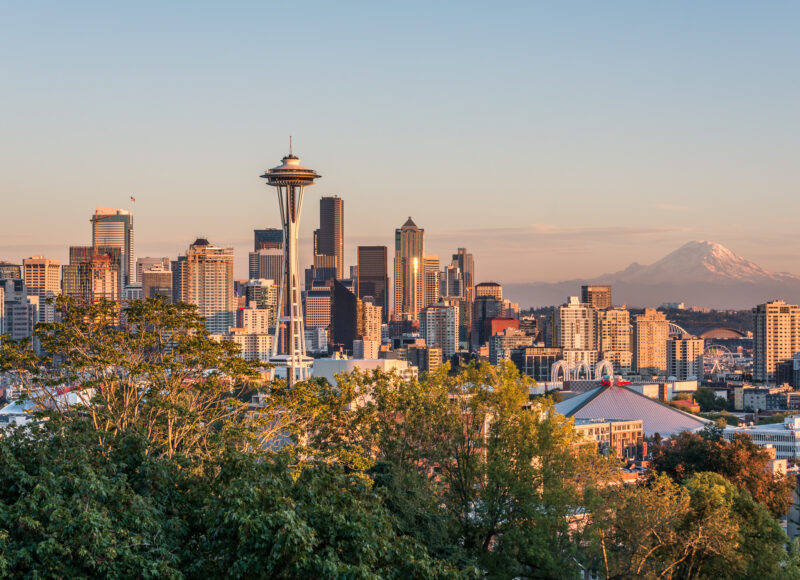
The first ever World Cup Pride Match is scheduled for June 26, 2026 in Seattle. But that’s not the main news.
In a historic first for the FIFA Men’s World Cup, Seattle will host a designated Pride Match on June 26, 2026, aligned with the city’s official Pride weekend. Lumen Field will transform into a showcase of LGBTQ+ visibility and inclusion against inequalities and injustice, supported by a citywide collaboration with artists from across Washington state who will install queer-themed public artworks throughout Seattle. The idea is bold, colorful, and unmistakably aspirational.
But that aspiration lands in a world that keeps reminding us how far the sport still has to go. The 2026 tournament is unfolding under a Trump administration, a political climate in which LGBTQ+ communities face mounting anxiety and renewed legislative hostility. And, in a twist that feels almost scripted for maximum tension, Seattle’s Pride Match will feature Iran vs. Egypt, two countries where same-sex relationships are illegal and harshly punished.
They are part of a larger pattern: Uzbekistan, Saudi Arabia, Ghana, Morocco, Qatar, Tunisia, Senegal, and Algeria—all participants in the 2026 World Cup—enforce anti-LGBTQ+ laws or restrictions. Still, the symbolism of Iran and Egypt meeting in the designated Pride slot was impossible to ignore, attracting immediate global attention.
First ever World Cup Pride Match brings Inclusion and Inequalities under the spotlight – again.
It is important to stress the fact that host cities couldn’t control the match assignments; Seattle discovered its pairing only after FIFA finalized the schedule. Yet the contrast between the city’s celebration of queer inclusion and the visiting nations’ criminalization of queer identity became the story.
In Iran, homosexuality can be punishable by death.
In Egypt, queer people face arrests, entrapment, and prosecution under morality or “debauchery” laws.
And these tensions echo recent memories that remain raw for many fans. At the Qatar 2022 World Cup, organisers threatened players who planned to wear rainbow “OneLove” armbands with immediate sporting sanctions. European federations backed down. Stadium authorities confiscated LGBTQ+ symbols at the gates. The message was unmistakable: the host allowed visibility only within limits it set.
It was in that same tournament that journalist and outspoken ally Grant Wahl—who had previously been detained for wearing a Pride-themed shirt to a match—died suddenly while covering the event. His death sparked an international outpouring of grief and anger, highlighting not only the dangers faced by journalists but the fragility of efforts to speak out for queer rights in hostile environments. His brother Eric Wahl, now on Seattle’s Pride Match Advisory Committee (PMAC) , has argued that hosting Iran and Egypt in the Pride Match is a chance to confront these realities rather than avoid them.
The risk of normalising discrimination on a global stage
As we explain in Outsport Coach, our free e-learning course, normalized discriminatory behavior—especially when it begins within the sport community—can spill into other areas of life, from schools and friendship networks to workplaces and public spaces, and may even escalate into systemic or physical violence. That’s why it is important to understand how discrimination works, what blocks inclusion, and what keeps inequalities in place.
Meanwhile, FIFA’s attempts to appease political sensitivities have taken unusual forms—most notably the creation of the FIFA Peace Prize, a move widely interpreted as an effort to flatter Donald Trump and smooth the politics surrounding the U.S.-hosted tournament. For many critics, the introduction of an award designed to placate a sitting administration underscores how often symbolism substitutes for genuine structural change. And the Pride Match will put this under the spotlight.
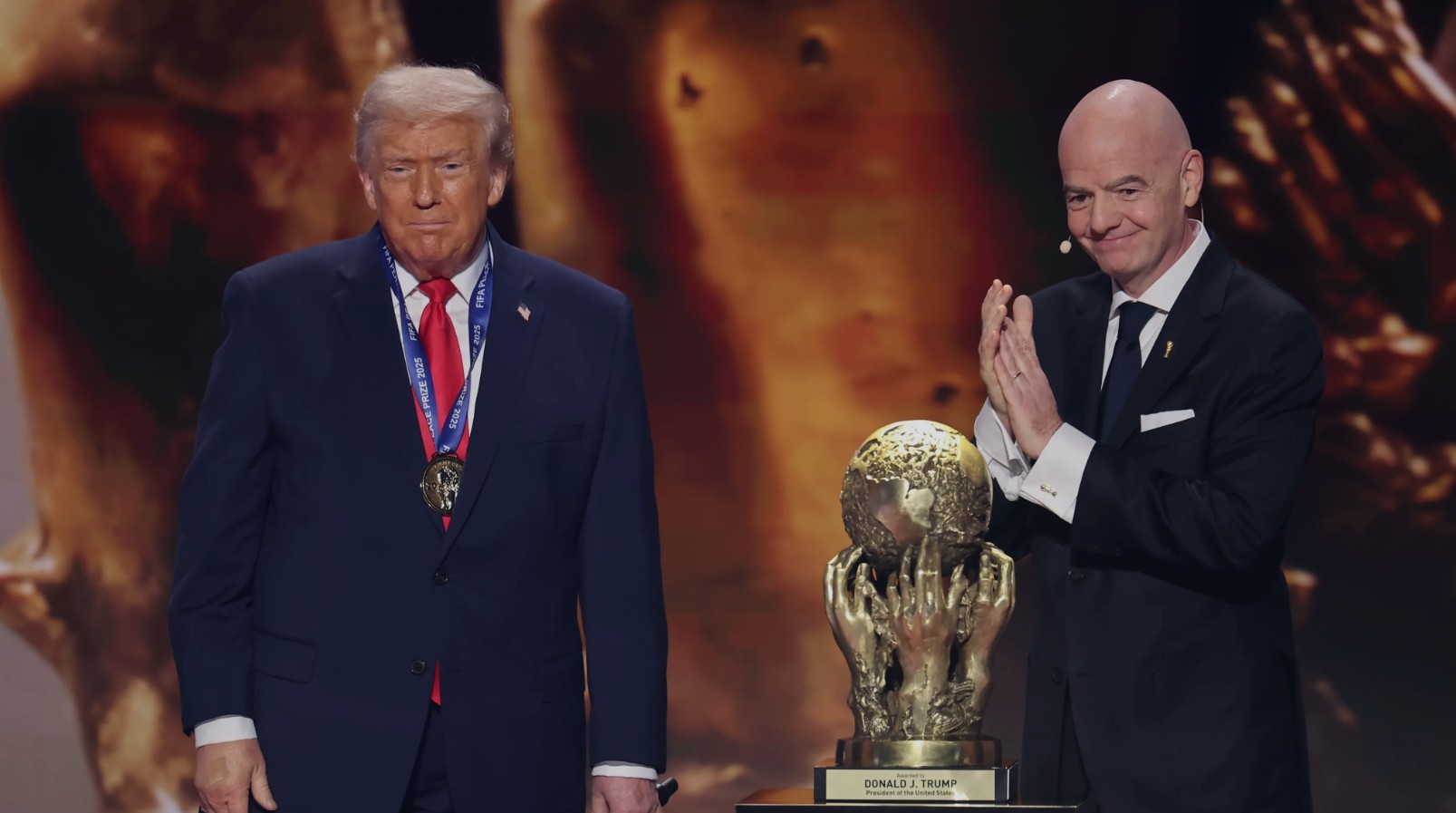
Which brings us to the heart of the discomfort: the Pride Match is ambitious, vibrant, and well-intentioned—but it sits inside a global system whose contradictions keep bursting into view. If past experience is any guide, this won’t be a walk in the park, and true openness is still painfully far away.
Will it end like it did in Qatar?
Seattle’s organizers insist that visibility matters precisely because the world isn’t where it needs to be. In this sense, the Pride Match certainly signals insistence: a refusal to let the pitch remain untouched by the struggles of those who love the game but aren’t safe within it.
We will be hearing more about this.
Andrea Giuliano