Kisses, Punches, and Silence
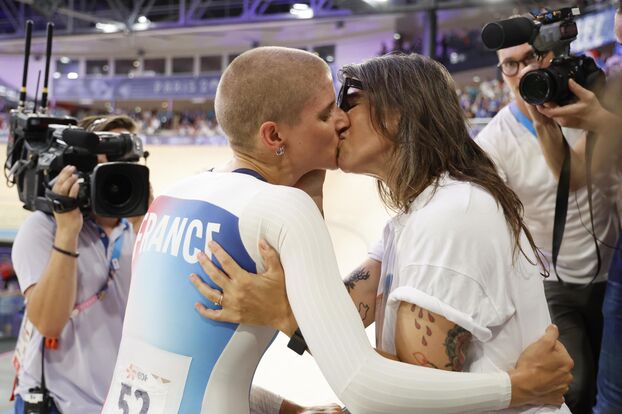
Marie Patouillet and the Double Standard of Visibility
During an interview on French TV channel M6, Marie Patouillet — French doctor, para-track cyclist, Paralympic champion and multi-medalist — spoke again about the kiss she shared with her wife, Soraya Garlenq, at the Paris 2024 Paralympic Games, exposing the double standard of visibility in sport.
It was a spontaneous gesture of joy, affection, and love after victory. And yet, it quickly became controversial.
“They made it clear that it had to remain private,” Patouillet said.
A medal-winning athlete celebrating with the person they love should not be news. Yet it became one.
The Inspiration — and the Contrast
Patouillet has explained that her decision was not accidental. During the Paris Olympic Games, she had watched Italian judoka Alice Bellandi kiss her fiancée after winning gold — in a moment made even more striking by the visibly petrified expression of Italy’s Prime Minister, Giorgia Meloni, in the stands.
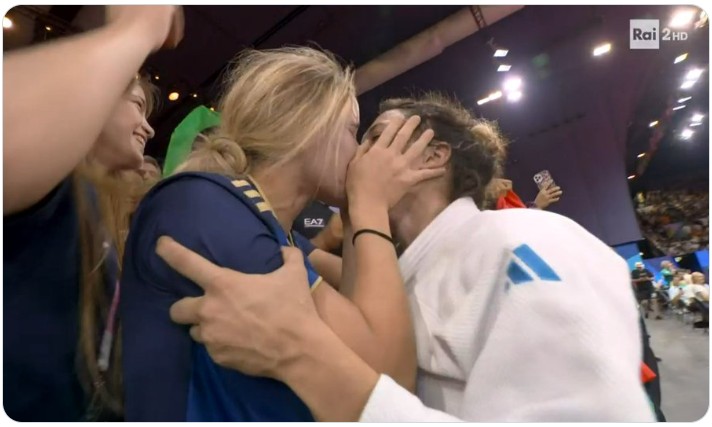
Alice Bellandi kissing fiancée Jasmin Martin after winning gold at the Paris Olympics 2024
“I was asked whether I would do the same,” Patouillet recalled. “And I said it would take a gold medal.”
When that gold medal came, she kept her word.
But the aftermath revealed a contradiction. Paris 2024 presented itself as an inclusive celebration — an ode to diversity, love, and shared humanity. The ceremonies projected openness and modernity. The message was clear: everyone belongs.
And yet, behind the scenes, a Paralympic champion who helped elevate France’s medal count was reportedly made to feel that her love was somehow inappropriate for public display — with criticism coming right from high institutional spheres.
Inclusion in principle. Discomfort in practice.
“For me, representation is the beginning of the fight for inclusion and against all forms of discrimination,” Patouillet stated. “If we don’t have representation, it’s as if the problem didn’t exist.”
Visualizza questo post su Instagram
Visibility — But Only for Some
Sport has never been shy about celebrating heterosexual relationships, particularly when they reinforce celebrity narratives.
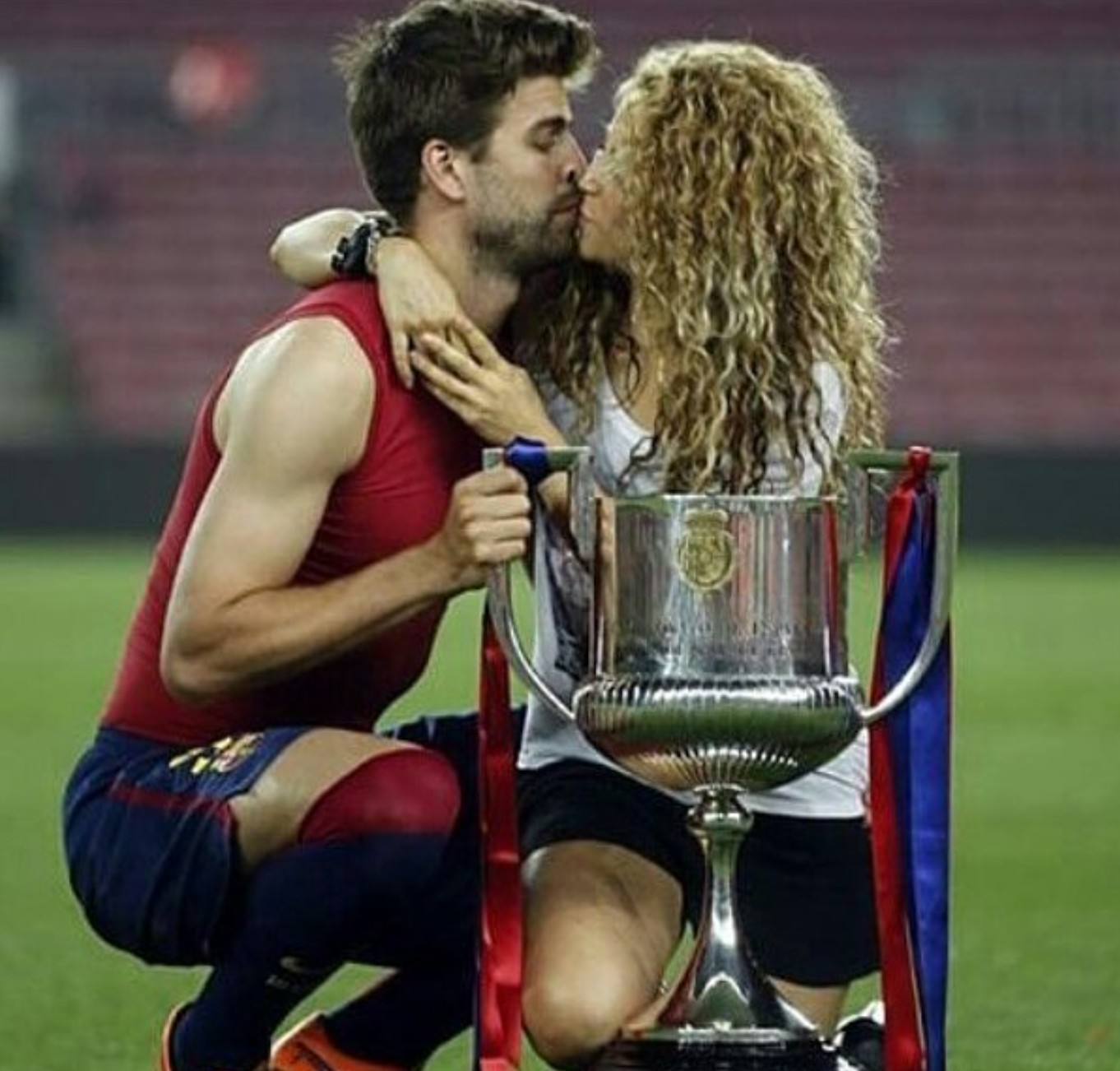
When Gerard Piqué kissed Shakira after the match, it was romantic.
Tony Parker and Eva Longoria appearing together? Glamorous.
When Travis Kelce and Taylor Swift embrace, it becomes global pop culture — broadcast, replayed, monetised.
These moments are marketed as part of the spectacle.
And here is the double standard of visibility: when Marie Patouillet kisses Soraya Garlenq, the reaction shifts: this should remain private.
When Australian footballer Josh Cavallo came out, he endured waves of abuse and eventually had to leave Adelaide United.
Former professional tennis player Brian Vahaly, now President of the USTA, chose to come out only after retiring, citing fears of professional repercussions.
The message remains clear: visibility is conditional.
A Broader Pattern
This is not an isolated case.
When football star Kylian Mbappé was reportedly linked to transgender model Inès Rau, public discourse quickly shifted from celebration to scrutiny.
During the current Milano-Cortina Winter Olympic cycle, several U.S. LGBTQIA+ athletes who publicly criticised policies of the Trump administration affecting LGBTQIA+ rights and migration have reportedly faced threats and online harassment, with Amber Glenn and Gus Kenworthy among the most visible targets.
In Germany, referee Pascal Kaiser was reportedly assaulted after proposing to his boyfriend on a football pitch in Cologne — as though public affection between two men constituted dishonour.
Across Europe and beyond, LGBTQIA+ athletes continue to face subtle — and sometimes explicit — pressure to be less: less visible, less expressive, less themselves. Queer visibility continues to provoke backlash.
The aesthetics of “acceptable sport” and the rhetoric behind it are tied to narrow, binary, traditional ideals — ideals that feel uncomfortably reminiscent of a different era in history.
“Protecting Women’s Sport” — Or Policing Identity?
Debates framed as efforts to “protect women’s sport” increasingly revolve around regulating bodies and identities rather than addressing structural inequalities — funding gaps, media representation, pay disparities, and institutional neglect.
Patriarchal norms in sport — as in society — punish anyone who deviates from rigid models of masculinity and traditional gender expectations.
Under these norms, queer love becomes controversial. Trans, intersex, and non-binary existence becomes politicised, all to the detriment of authenticity.
One Question for Sport
If sport truly wants to be a space of equality, it must confront a simple question:
Is visibility only welcome when it is comfortable?
Because a kiss after victory is not political.
What becomes political is the reaction to it.