[:en]How bad can competition be?[:it]Quanto può far male la competizione?[:]
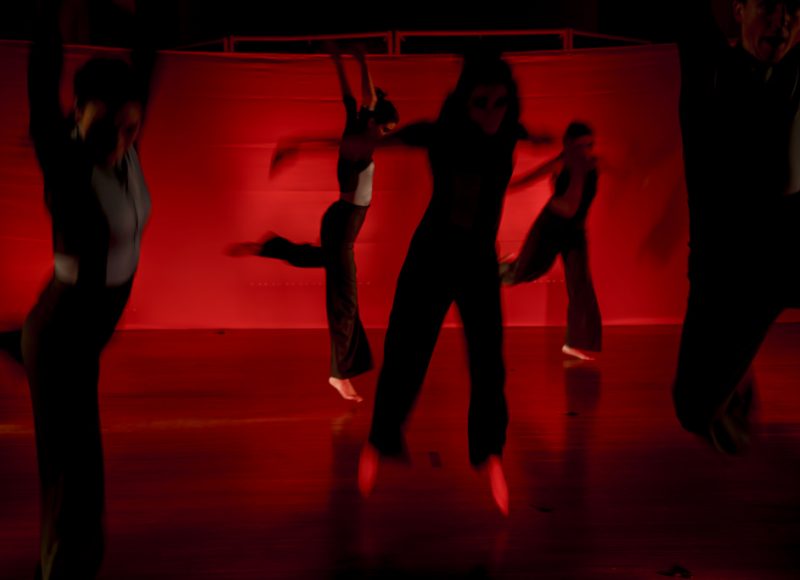
[:en]The Danzamovimentoterapia (DMT) is a path to combat discrimination, whatever they are, even those in sports environments against lgbtqi people. It is a practice that involves the demolition of the judgment towards oneself and towards others and that involves the elaboration of an internal witness in order to become familiar with the “mindfulness”. We explain this experience through the words of a dancer who is also a dance therapist. “When practicing, I become aware of how the movement feels inside, in my body, but at the same time, I have to be aware of how it appears on the outside, to the audience. I am in touch with my own experience of the dance as well as a part that witnesses myself in the studio mirror-observing how my dance experience appears. The more I bring mindfulness into rehealsal, the more prepared I am to accomplish what every dancer ‘s goal in performance – to quiet my mind and allow my body to take over – to be totally present in the experience”. Rappaport, Z.A. 2013, Personal communication.
One of the most difficult obstacles to remove is the elimination of competition, central to the sport to achieve the result, win the game, the tournament, the final, but if it becomes a life attitude, if it becomes a criterion of strength, ruin relations. Strength can not be measured in terms of “superiority” compared to the other. In the DMT sessions the participants are invited starting from a spontaneous movement of their body – from a gesture, from a sound, from a vocalization – to following it, to promoting movement from within itself. Already the experimentation of the “authentic” movement, free from the constraint of wills or rules, is a formative and liberating experience. After they are invited to make contact with the gestures made, the feelings, the emotions. An external witness, often the one who leads the session, thus helps to elaborate “the internal witness”.[:it]di Delia Vaccarello
Creare insieme con il corpo permette una intimità unica ed eccezionale. Si può fare con la danzamovimentoterapia (DMT), una forma di arteterapia che favorisce il movimento e il ritmo di ciascuno e utilizza la musica e il ballo. Ci si trova insieme, i corpi si esprimono senza seguire discipline, alle persone che si muovono si affianca spesso un testimone. Questa dimensione è al di qua di ogni giudizio ed è un percorso fondamentale per contrastare le discriminazioni, per trovare nuove strade contro il razzismo sia nei confronti delle persone lgbtq sia dei neri o di tutti coloro che a vario titolo subiscono discriminazioni. Secondo la definizione di Pietro Farneti, socio fondatore e presidente di “Risvegli Onlus”, storica associazione di danzaterapia a Milano: “Una radice profonda della danzaterapia è la generosità; l’idea di essere un ponte, di essere uno strumento, di essere un tramite. Questa generosità è accoglienza profonda dell’umanità altrui in tutte le sue espressioni, fisiche, psicologiche, attive e passive”.
Uno degli ostacoli più difficili da rimuovere è l’azzeramento della competizione, centrale nello sport per raggiungere il risultato, vincere la partita, il torneo, la finale, ma che se diventa atteggiamento di vita, se diventa criterio di forza, rovina le relazioni. La forza non può essere misurata in termini di “superiorità” rispetto all’altro, secondo un ragionamento neanche troppo esplicito e spesso assimilato fin da piccoli che suona così: sono più forte se schiaccio l’altro, se lo sconfiggo. La forza è capacità di convivenza, di entrare in relazione, di conoscenza.
Come si educa a questo tipo di forza? I corsi di danzamovimentoterapia dovrebbero essere previsti dalle istituzioni: dalle scuole innanzitutto. Sarebbe un bene che, proprio come stiamo facendo nell’ambito del progetto Outsport, venissero adottati anche nel mondo dello sport. Se la forza è vista come superiorità, del tutto illusoria, ci saranno nella cultura diffusa i discriminati, “gli inferiori”. Perché ? Perché servono, hanno la funzione di esaltare i presunti superiori, anzi di farli esistere. Nella danzamovimentoterapia il primo obiettivo da raggiungere è la cancellazione del giudizio. Innanzitutto nei confronti di se stessi e poi nei confronti degli altri. Nelle sessioni i partecipanti vengono invitati a partire da un movimento spontaneo del proprio corpo – da un gesto, da un suono, da un vocalizzo – a seguirlo, a promuovere il movimento dall’interno di sé. Già la sperimentazione del movimento “autentico”, libero dalla costrizione della volontà o delle regole, è esperienza formativa e liberatoria. Non è facile dare corso a questo movimento che origina dal corpo ed è unico, non ripetibile, anche sconveniente secondo i canoni consueti (ci si può ad esempio ritrovare ad abbaiare… o a urlare o a muoversi pianissimo ….) . Quando si fa una pausa nella sessione di movimento, la conduttrice o il conduttore chiedono poi ai partecipanti di focalizzare alcuni momenti precisi e di verbalizzarli, partendo dalla descrizione molto puntuale di dove si trovava il corpo in un momento ritenuto significativo, e di cosa ha fatto, passando poi alla narrazione della sensazione provata, quindi alla emozione. Potremmo chiamare questa pratica: familiarizzazione con la mindfulness, cioè con la consapevolezza del proprio corpo dei suoi movimenti del suo percepire e del suo sentire. Pratica fondamentale come vedremo in seguito per non riversare sull’altro , al momento della testimonianza, solo qualcosa che appartiene ai noi stessi.
Attenzione, è l’esperienza libera e guidata del nostro movimento che ci porta ad avere la consapevolezza del corpo inteso come totalità di noi stessi.
Per familiarizzare con la mindfulness occorre elaborare la presenza di un testimone interno in ciascuno di noi. Un testimone che non è affatto un censore, ma che “sa” del corpo e che contemporaneamente entra in relazione con l’esterno. Si tratta di un doppio sguardo, esperienza comune nell’artista, che sia pittore, scrittrice, danzatore ecc.. Il “testimone interno “ e la capacità di entrare in relazione con l’altro sono alla base della convivenza che contrasta le discriminazioni.
Spesso, nel nostro modo di relazionarci all’altro, tendiamo a giudicare la persona che abbiamo davanti, ciò che fa, come lo fa, ecc., ma se impariamo a captare le nostre motivazioni, le nostre paure, le nostre intenzioni , ci concediamo la possibilità di vivere una relazione consapevole. Magari riusciamo ad intercettare il nostro bisogno di avere il sopravvento, di dimostrare qualcosa all’altra persona, oppure il nostro senso di inadeguatezza, il fastidio o il piacere dello stare in contatto con l’altro. Captare questi aspetti di noi, fa sì che non li attribuiamo agli altri, e che possiamo cogliere ciò che dall’altro ci arriva. A captare è il “testimone interno”. Illuminante a questo riguardo è l’esperienza di un danzatore: “Quando pratico, divento consapevole di come il movimento si sente dentro, nel mio corpo, ma allo stesso tempo, devo essere consapevole di come appare all’esterno, al pubblico. Sono in contatto con la mia esperienza della danza e con una parte che mi testimonia nello specchio dello studio, osservando come appare la mia esperienza di danza. Quanto più metto in evidenza la consapevolezza, tanto più sono preparato a realizzare quello che è l’obiettivo di ogni ballerino nella sua performance – calmare la mia mente e permettere al mio corpo di prendere il sopravvento – essere totalmente presente nell’esperienza” (“When practicing, I become aware of how the movement feels inside, in my body, but at the same time, I have to be aware of how it appears on the outside, to the audience. I am in touch with my own experience of the dance as well as a part that witnesses myself in the studio mirror-observing how my dance experience appears. The more i bring mindfulness into rehealsal, the more prepared I am to accomplish what every dancer ‘s goal in performance – to quiet my mind and allow my body to take over – to be totally present in the experience”. Rappaport, Z.A. 2013, Personal communication).[:de]The Danzamovimentoterapia (DMT) is a path to combat discrimination, whatever they are, even those in sports environments against lgbtqi people. It is a practice that involves the demolition of the judgment towards oneself and towards others and that involves the elaboration of an internal witness in order to become familiar with the “mindfulness”. We explain this experience through the words of a dancer who is also a dance therapist. “When practicing, I become aware of how the movement feels inside, in my body, but at the same time, I have to be aware of how it appears on the outside, to the audience. I am in touch with my own experience of the dance as well as a part that witnesses myself in the studio mirror-observing how my dance experience appears. The more I bring mindfulness into rehealsal, the more prepared I am to accomplish what every dancer ‘s goal in performance – to quiet my mind and allow my body to take over – to be totally present in the experience”. Rappaport, Z.A. 2013, Personal communication.
One of the most difficult obstacles to remove is the elimination of competition, central to the sport to achieve the result, win the game, the tournament, the final, but if it becomes a life attitude, if it becomes a criterion of strength, ruin relations. Strength can not be measured in terms of “superiority” compared to the other. In the DMT sessions the participants are invited starting from a spontaneous movement of their body – from a gesture, from a sound, from a vocalization – to following it, to promoting movement from within itself. Already the experimentation of the “authentic” movement, free from the constraint of wills or rules, is a formative and liberating experience. After they are invited to make contact with the gestures made, the feelings, the emotions. An external witness, often the one who leads the session, thus helps to elaborate “the internal witness”.[:hu]The Danzamovimentoterapia (DMT) is a path to combat discrimination, whatever they are, even those in sports environments against lgbtqi people. It is a practice that involves the demolition of the judgment towards oneself and towards others and that involves the elaboration of an internal witness in order to become familiar with the “mindfulness”. We explain this experience through the words of a dancer who is also a dance therapist. “When practicing, I become aware of how the movement feels inside, in my body, but at the same time, I have to be aware of how it appears on the outside, to the audience. I am in touch with my own experience of the dance as well as a part that witnesses myself in the studio mirror-observing how my dance experience appears. The more I bring mindfulness into rehealsal, the more prepared I am to accomplish what every dancer ‘s goal in performance – to quiet my mind and allow my body to take over – to be totally present in the experience”. Rappaport, Z.A. 2013, Personal communication.
One of the most difficult obstacles to remove is the elimination of competition, central to the sport to achieve the result, win the game, the tournament, the final, but if it becomes a life attitude, if it becomes a criterion of strength, ruin relations. Strength can not be measured in terms of “superiority” compared to the other. In the DMT sessions the participants are invited starting from a spontaneous movement of their body – from a gesture, from a sound, from a vocalization – to following it, to promoting movement from within itself. Already the experimentation of the “authentic” movement, free from the constraint of wills or rules, is a formative and liberating experience. After they are invited to make contact with the gestures made, the feelings, the emotions. An external witness, often the one who leads the session, thus helps to elaborate “the internal witness”.[:]